Teala Davies Lawsuit: The 2020 Dismissal & 2026 DOJ Files
Factual Court Timeline From the 2019 Civil Complaint to 2026 Federal Document Releases
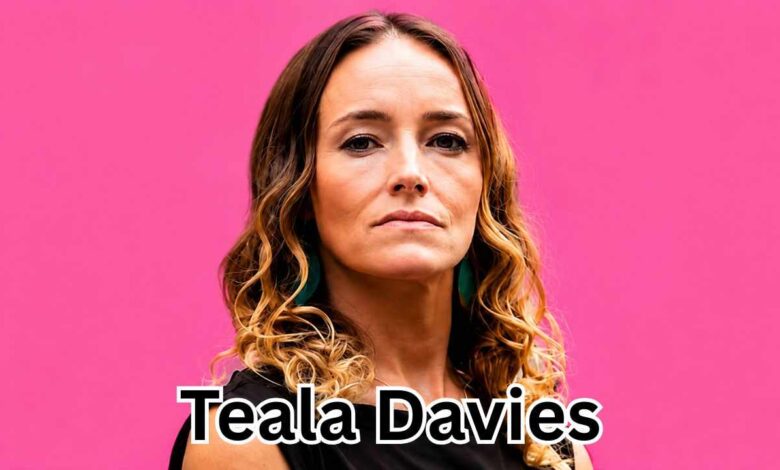
The federal civil suit filed by Teala Davies against the estate of Jeffrey Epstein remains a key point of reference for legal researchers tracking the aftermath of the Epstein investigation. While breaking news reports initially focused on the filing details, public court records show the case was quietly resolved soon after. This article tracks the official timeline of the litigation, the subsequent settlement closure, and how recent federal document releases renewed public interest in the case files.
Teala Davies is a plaintiff who filed a federal civil lawsuit against the estate of Jeffrey Epstein in November 2019 in New York. The lawsuit was dismissed in 2020 after Davies received an undisclosed settlement through the independent Epstein Victims’ Compensation Program.
Key Takeaways
-
Initial Civil Action: The Teala Davies lawsuit initiated a civil action in Manhattan in late 2019, alleging battery and intentional infliction of emotional distress.
-
Legal Representation: Attorney Gloria Allred represented Teala Davies during the public filing and associated press conferences.
-
Case Resolution: The litigation ended formally in 2020 with a voluntary dismissal following an independent claims process.
-
Financial Terms Sealed: Payout amounts from the independent compensation program are legally sealed and remain unavailable to the public.
-
Recent Document Release: Unsealed U.S. Department of Justice files from February 2026 contain redacted interview data directly matching the public timeline of this case.
Quick Answer: Legal Status of the Case
The civil litigation involving Teala Davies is entirely closed. The lawsuit is no longer active in the federal court system, having been resolved through an out-of-court settlement mechanism over five years ago.
| Case Element | Official Status |
| Current Case Status | Dismissed (Closed) |
| Filing Date | November 2019 |
| Dismissal Date | 2020 |
| Resolution Method | Epstein Victims’ Compensation Program payout |
| Active Appeals | None |
Timeline of the Teala Davies Civil Lawsuit
2019 Court Testimonies and Initial Filing
The legal process began publicly in August 2019. Teala Davies traveled to New York to testify at a special federal court hearing convened after Epstein died in custody. CBS News coverage of the 2019 filing During this session, survivors spoke directly to the court regarding the impact of the alleged non-prosecution agreements.
Three months later, in November 2019, attorney Gloria Allred held a press conference in New York to announce a formal civil complaint. Allred presented a 2002 photograph showing Teala Davies and Epstein traveling over the U.S. Virgin Islands. The civil complaint stated that she was 17 years old when she first met Epstein in 2002.
“She is smiling because she did not yet realize he had a predatory plan for her.” (Gloria Allred, 2019)
The 2020 Dismissal and Compensation Program
The Teala Davies case did not head to a public jury trial. In 2020, administrators of the independent Epstein Victims’ Compensation Program established an out-of-court resolution framework. This program allowed registered plaintiffs to submit claims to an independent evaluator to obtain financial restitution without entering extended courtroom battles.
Teala Davies chose to resolve her claims through this channel. Upon receiving an undisclosed payout from the fund, the civil lawsuit against the estate was formally dismissed by the court.
Typical Scenario Example: Plaintiffs navigating estate litigation frequently utilized independent compensation funds. This path allowed individuals to secure a confidential resolution, avoiding the financial and emotional strain of prolonged public depositions.
Mid-Article Summary: Timeline Shift
-
Civil Litigation Closed: The federal lawsuit officially ended in 2020 via the independent compensation program.
-
Dormant Period: No further civil court actions occurred between 2020 and 2025.
-
Renewed Record Access: Public interest renewed only after a February 2026 federal Freedom of Information Act (FOIA) release containing investigative notes.
Verified Public Claims Outlined in the Teala Davies Lawsuit
The initial civil complaint detailed a specific pattern of travel and interactions across several global locations. The legal paperwork outlined the exact geographical scope of the allegations brought against the estate.
Documented Travel and Legal Claims
The civil suit claimed that Epstein arranged transportation to multiple private properties. According to court records, these locations included residential estates in Florida, New Mexico, Paris, and the U.S. Virgin Islands.
The complaint also detailed the specific timeline of how these interactions concluded. The lawsuit alleged that the relationship ended after she disclosed to Epstein that she had developed an eating disorder, at which point he sent her back to her home.
Common Mistake Callout: Many articles repeat speculative rumors regarding the exact dollar amounts of the settlement. Treat these figures as unverified. Payouts processed via the independent compensation program are legally sealed, and reliable sources do not confirm any specific numbers.
The 2026 Department of Justice Unsealed Documents
In February 2026, the U.S. Department of Justice released a new batch of unsealed investigative documents regarding the wider Epstein investigation. This release included heavily redacted interview notes. Investigative journalists analyzing these federal records matched specific biographical and geographical markers to the public 2019 testimony of Teala Davies.
Local reporters used the following cross-references to identify the subject of the redacted files:
-
Geographical Origins: The unsealed DOJ files indicated the individual spent most of her childhood growing up in the Santa Cruz Mountains in California.
-
Health Disclosures: The federal interview notes mentioned the specific disclosure of an eating disorder, matching the exact timeline of how the relationship ended as stated in the 2019 civil complaint.
Real Example: In February 2026, local journalists at Santa Cruz Local utilized public geographical markers from the unsealed federal files to connect the redacted DOJ interview notes directly to the previous public case history of Teala Davies. Santa Cruz Local reporting on the DOJ files
Best Practices for Researching Federal Civil Lawsuits
Tracking civil litigation against high-profile estates requires relying on primary court documents rather than secondary news summaries. Because major media outlets often cover the initial filing but skip the administrative dismissal, researchers must verify case closures independently.
Pro Tips for Legal Record Verification:
-
Track the exact chronological timeline: Distinguish cleanly between the initial 2019 filing, the 2020 settlement, and the 2026 DOJ file release to avoid combining distinct legal events.
-
Check independent fund records: Use the Epstein Victims’ Compensation Program closure reports to verify the broad 2020 dismissal of related civil suits.
-
Verify original transcripts: Confirm attorney quotes using raw press conference video rather than secondary summaries.
-
Confirm case status: Do not state the lawsuit is ongoing; confirm its conclusion via 2020 court dismissal records in the Southern District of New York.
-
Use FOIA libraries: Rely strictly on official Department of Justice FOIA libraries for primary source documents regarding the 2026 unsealed files.
End Summary
The legal trajectory of the Teala Davies lawsuit against the estate of Jeffrey Epstein moved from a highly publicized federal filing in late 2019 to a private resolution in 2020. By utilizing the independent Epstein Victims’ Compensation Program, the civil lawsuit was officially dismissed. The case remained closed, with public details only expanding years later through the February 2026 unsealed Department of Justice documents, which provided matching redacted interview notes.
Next Steps for Researchers:
-
Check official U.S. Department of Justice FOIA libraries to access the primary unsealed 2026 documents.
-
Review the final operational report of the independent Epstein Victims’ Compensation Program.
-
Consult the Southern District of New York federal docket for exact court filing and dismissal dates.
FAQs
When was the lawsuit filed?
The federal civil lawsuit was filed in the Southern District of New York in November 2019 against the estate of Jeffrey Epstein.
Who was the attorney?
Gloria Allred represented the plaintiff during the 2019 filing and associated press conference.
Was the case settled?
Yes. The civil lawsuit was formally dismissed in 2020 after an undisclosed settlement was reached through the independent Epstein Victims’ Compensation Program.
What was the Epstein Victims’ Compensation Program?
It was an independent fund established to allow individuals to resolve claims against the estate outside of the traditional court system, providing confidential financial restitution.
What did the 2026 DOJ documents reveal?
In February 2026, unsealed DOJ documents contained redacted interview notes. Reporters matched these notes to the public testimony of Teala Davies based on specific details, such as growing up in the Santa Cruz Mountains.
Are the settlement amounts public?
No. Payout amounts processed through the independent compensation program are legally sealed and remain private.
Where did the civil complaint allege she traveled?
The 2019 lawsuit alleged Epstein arranged travel for Davies to properties in Florida, New Mexico, Paris, and the U.S. Virgin Islands.