Chris Packham Biography: 5 Essential Career Milestones
A complete guide to the BBC presenter's 40-year TV career, UK wildlife campaigns, and autism advocacy.
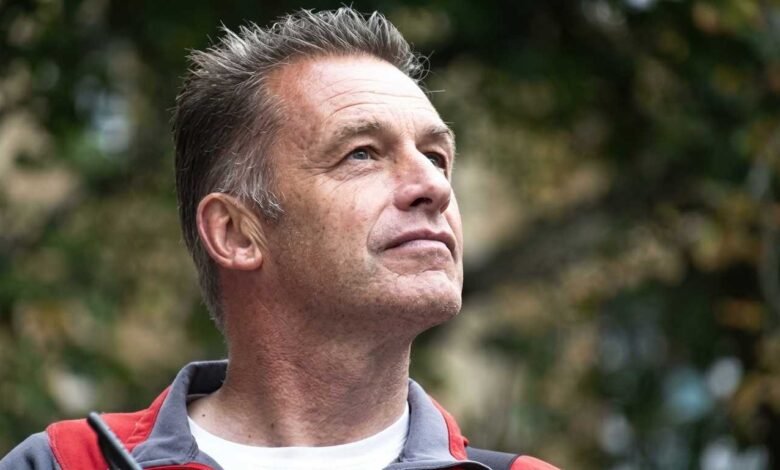
Who is Chris Packham, and how did he become one of the UK’s most recognisable wildlife champions? Known for co-hosting BBC’s Springwatch and CBBC’s The Really Wild Show, Chris Packham has built a four-decade career as a naturalist, author, photographer, and environmental campaigner. Beyond his television work, he is a prominent voice for nature protection and neurodiversity acceptance across Britain. This guide breaks down his early life, broadcasting milestones, conservation campaigns, and personal advocacy.
Chris Packham CBE is an English naturalist, television presenter, author, and environmental campaigner born in Southampton in 1961. He rose to national fame co-hosting The Really Wild Show before presenting BBC’s Springwatch. He is widely known for co-founding Wild Justice and championing UK autism acceptance.
Key Takeaways
-
Academic Foundation: Earned a BSc in Zoology from the University of Southampton before starting his career as a wildlife cameraman.
-
Broadcasting Success: Co-hosted the BAFTA-winning children’s programme The Really Wild Show from 1986 to 1995.
-
Flagship Nature Shows: Has co-presented BBC’s Springwatch, Autumnwatch, and Winterwatch since 2009.
-
Legal Conservation Action: Co-founded the non-profit group Wild Justice in 2019 to challenge UK environmental policies legally.
-
Autism Advocacy: Publicly revealed his Asperger’s syndrome diagnosis in 2016 and became an ambassador for the National Autistic Society.
-
Official Recognition: Awarded a CBE in the 2019 New Year Honours list for services to nature conservation.
Early Life and Academic Background
Chris Packham was born on 4 May 1961 in Southampton, Hampshire. From a young age, he showed a keen interest in animals and the natural environment, spending much of his youth studying wildlife in the Hampshire countryside.
He attended Bitterne Park Secondary School and later studied at the University of Southampton, where he graduated with a Bachelor of Science (BSc) in Zoology. Although he initially began training for a PhD, he chose to enter the media industry directly, starting his professional career behind the camera as a trained wildlife cameraman.
Television Career: From Children’s TV to BBC Flagships
Packham entered British broadcasting in the mid-1980s. His natural camera presence and deep scientific knowledge quickly made him a household name.
+---------------------------+-------------------+---------------------------------------------------+
| Programme Title           | Years Active      | Role & Significance                               |
+---------------------------+-------------------+---------------------------------------------------+
| The Really Wild Show      | 1986 - 1995       | Co-presenter; inspired a generation of young readers.|
| Wild Shots                | 1990s             | Host of Channel 4 nature photography series.      |
| The X Creatures           | 1998              | Writer and presenter exploring unusual species.   |
| BBC Springwatch Series    | 2009 - Present    | Lead co-presenter alongside Michaela Strachan.    |
| Inside Our Autistic Minds | 2023              | Documentary presenter guiding neurodivergent lives.|
+---------------------------+-------------------+---------------------------------------------------+
His work on The Really Wild Show alongside co-hosts like Terry Nutkins and Michaela Strachan brought energetic, educational wildlife content to young audiences. In 2009, he joined BBC Two’s Springwatch, taking over from Bill Oddie. His live broadcasting style, combined with clear scientific analysis, turned Springwatch, Autumnwatch, and Winterwatch into regular fixtures of British television schedules.
Conservation Work and Legal Campaigning
Packham is known for his direct approach to environmental protection. Rather than focusing solely on broadcasting, he uses his platform to challenge policy decisions affecting UK wildlife.
Key UK Wildlife Initiatives Led by Chris Packham
-
Co-Founding Wild Justice (2019): Alongside campaigners Mark Avery and Ruth Tingay, Packham established Wild Justice. This not-for-profit organisation takes legal action against governmental bodies to ensure existing wildlife protection laws are enforced.
-
Protesting Environmental Harm: He has actively campaigned against habitat destruction caused by large infrastructure projects like HS2 and has spoken out against illegal bird raptor persecution on driven grouse moors.
-
Patronage of National Charities: Packham serves as Vice-President for both the RSPB and the Wildlife Trusts, while holding leadership roles in the Bat Conservation Trust and Butterfly Conservation.
He was awarded a Commander of the Order of the British Empire (CBE) in 2019 for his dedicated services to nature conservation.
Neurodiversity Advocacy and Personal Life
In 2016, following the release of his autobiography Fingers in the Sparkle Jar, Packham publicly disclosed that he was diagnosed with Asperger’s syndrome in his 40s. He described how his neurodivergence shapes his intense focus on nature and detailed his personal experiences with social interaction.
He presented two influential BBC documentaries exploring neurodiversity:
-
Asperger’s and Me (2017): A personal reflection on his life on the autism spectrum.
-
Inside Our Autistic Minds (2023): A two-part series helping autistic individuals create visual short films to explain their experiences to family and friends.
Packham lives in the New Forest in Hampshire. He is in a long-term relationship with Charlotte Corney, owner of the Wildheart Animal Sanctuary on the Isle of Wight. Broadcaster and zoologist Megan McCubbin is his stepdaughter, and the two frequently co-present television series and live wildlife broadcasts.
Find out more about neurodiversity support through the National Autistic Society.
Common Misconceptions About Chris Packham
-
Misconception 1: He is only a television presenter.
Fact: Packham is a trained zoologist with a BSc degree and worked professionally as a wildlife cameraman before appearing on screen.
-
Misconception 2: Megan McCubbin is his biological daughter.
Fact: Megan McCubbin is his stepdaughter from a previous relationship with her mother, Jo McCubbin.
-
Misconception 3: Wild Justice is part of the RSPB.
Fact: Wild Justice is a separate, privately funded non-profit organisation that acts independently of established charities like the RSPB.
Frequently Asked Questions
How old is Chris Packham?
Chris Packham was born on 4 May 1961, making him 65 years old in 2026.
What degree does Chris Packham have?
He holds a Bachelor of Science (BSc) degree in Zoology from the University of Southampton.
Is Chris Packham autistic?
Yes. Packham was diagnosed with Asperger’s syndrome in his mid-40s and actively campaigns for neurodiversity acceptance.
What is Chris Packham’s relationship with Megan McCubbin?
Megan McCubbin is his stepdaughter. They share a passion for zoology and frequently present television programmes together.
What is Wild Justice?
Wild Justice is a legal campaigning organisation co-founded by Chris Packham, Mark Avery, and Ruth Tingay in 2019 to challenge UK public bodies over environmental laws.
Where does Chris Packham live?
He lives in a property situated in the New Forest, Hampshire.
Conclusion
Chris Packham has established himself as a central figure in British broadcasting and environmental advocacy. From his early days on The Really Wild Show to his current leadership on Springwatch and his legal work with Wild Justice, his scientific training continues to guide his efforts to protect UK nature. Furthermore, his open communication regarding his autism diagnosis has helped foster greater understanding of neurodiversity across the UK.
Recommended Next Steps
-
Watch His Documentaries: Catch up on BBC’s Springwatch or Inside Our Autistic Minds via BBC iPlayer.
-
Explore UK Nature Organisations: Learn how groups like the Wildlife Trusts and RSPB protect local habitats.
-
Support Local Biodiversity: Plant native flora or build simple garden shelters to support urban wildlife in your area.