Nottingham Forest: History, Honours, Stadium, Squad and Latest Updates
Discover Nottingham Forest’s remarkable journey from Brian Clough’s European triumphs to modern Premier League football, including the club’s history, trophies, famous players, City Ground and latest updates.
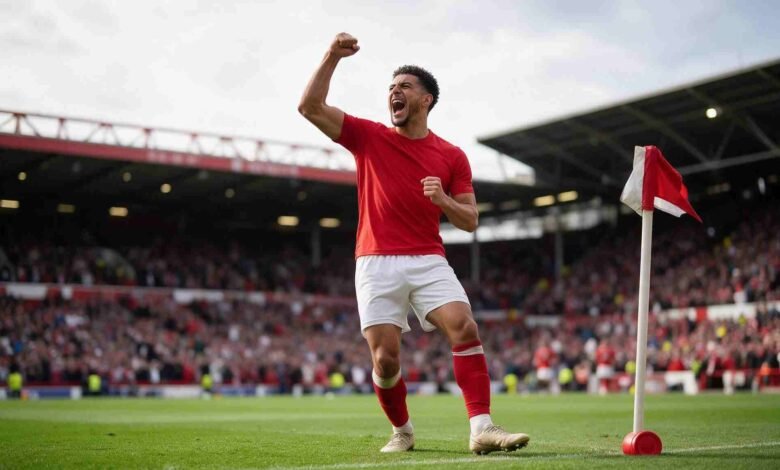
Nottingham Forest is one of English football’s most historic clubs, best known for winning back-to-back European Cups under Brian Clough. Today, the Reds remain a major Premier League institution, combining a remarkable past with the challenge of competing in modern English football.
This guide explains Nottingham Forest’s history, trophies, stadium, legendary figures, current team situation and key 2026/27 fixtures. It also answers common questions about the club, including whether Forest have won the Premier League and why the City Ground is so important to supporters.
Nottingham Forest at a glance
Forest were founded in 1865 and have played at the City Ground since 1898. That long connection between club, stadium and local community is central to the identity of Nottingham Forest.
The club is also closely associated with the colour red, its passionate home support and a tradition of producing memorable teams during different periods of its history.
A brief history of Nottingham Forest
Nottingham Forest’s early years were shaped by the growth of organised football in England. The club gradually developed from a local side into a competitive professional team, eventually reaching the highest levels of domestic football.
Forest’s greatest period began after Brian Clough became manager in 1975. Clough, working closely with assistant Peter Taylor, transformed the club from a struggling second-tier side into one of Europe’s strongest teams.
The rise was remarkably quick. Forest won promotion to the First Division in 1976/77 and then claimed the league title in 1977/78. This remains the club’s only top-flight English league championship.
The following seasons established Forest as a European force. They won the European Cup in 1979 by defeating Malmö and retained the trophy in 1980 after beating Hamburg. Winning Europe’s most prestigious club competition twice in succession remains the defining achievement of Nottingham Forest.
The club later experienced periods of decline, relegation and rebuilding. Forest returned to the Premier League in 2022 after a long absence, defeating Huddersfield Town in the Championship play-off final. Their return renewed interest in one of England’s most recognisable football names.
Nottingham Forest trophies and honours
Forest’s trophy cabinet is strongly connected with the Clough era, although the club’s history began well before the 1970s.
Major honours include:
-
One English top-flight league title, won in 1977/78.
-
Two European Cups, won in 1979 and 1980.
-
Four League Cups.
-
Two Full Members’ Cups.
-
One European Super Cup.
-
Two FA Charity Shields.
-
Two Championship titles.
-
One FA Cup.
Nottingham Forest have never won the Premier League since the competition began in 1992. However, that does not mean the club lacks a major top-flight history. Forest were English champions before the Premier League era and remain one of only a small number of British clubs to win the European Cup.
A useful distinction is that the Premier League is the modern top division, while the First Division was its predecessor. Forest’s 1977/78 championship therefore counts as a top-flight English title, even though it was achieved before the Premier League was created.
The Brian Clough legacy
Brian Clough is the most important manager in Nottingham Forest history. His success at the club was based not only on tactics but also on recruitment, confidence and a strong team culture.
Clough’s Forest teams were not built simply by signing the most expensive players. Instead, they relied on intelligent scouting, technical quality, disciplined defending and a clear understanding of each player’s role.
The club’s rise under Clough is especially remarkable because Forest had been outside the top division shortly before winning the European Cup. That transformation made the manager a legendary figure in Nottingham.
Players associated with the era included John Robertson, Martin O’Neill, Peter Shilton, Viv Anderson, Trevor Francis and Kenny Burns. Together, they helped establish Forest as a club capable of competing with Europe’s elite.
The Clough legacy still influences how supporters view the club. Every new Forest team is measured against the standards set during those extraordinary late-1970s and early-1980s campaigns.
The City Ground
The City Ground is Nottingham Forest’s home and one of the most recognisable stadiums in English football. It stands on the south bank of the River Trent in West Bridgford, close to Nottingham.
Forest have played there since 1898. The stadium’s location gives it a distinctive setting, while its long history creates a strong sense of continuity between past and present generations of supporters.
The ground is famous for its atmosphere, particularly during important Premier League matches. Its stands include the Brian Clough Stand, named after the manager who delivered the club’s greatest achievements.
Matchday visitors should check official club information for current ticketing, access, hospitality and stadium-tour details. Fixture dates and kick-off times can also change because of television selections, cup competitions and other scheduling decisions.
For fans interested in football history, the City Ground is more than a venue. It is the place where Forest’s domestic title, European victories and many of the club’s most important modern moments were celebrated.
Nottingham Forest in the Premier League
Forest’s Premier League story has been marked by sharp contrasts. The club competed in the competition’s inaugural season but was relegated, later returning after winning promotion.
Forest’s modern return to the Premier League began in 2022. The club had spent many years outside the top division, making promotion a major moment for supporters.
Survival in the Premier League is difficult because clubs face greater financial pressure, deeper squads and a demanding schedule. Forest have therefore had to combine experienced players with younger talent while adapting to the pace and intensity of top-flight football.
Their appeal comes partly from their unusual position in English football. Forest are not a club with a recent history of constant league dominance, but their European record gives them a status that many more successful modern teams cannot match.
Current squad and key players
The 2026/27 Nottingham Forest squad includes a mix of established internationals, developing players and recent recruits. Reported first-team names include:
-
Matz Sels.
-
Ola Aina.
-
Neco Williams.
-
Murillo.
-
Nikola Milenković.
-
Daniel Muñoz.
-
Ibrahim Sangaré.
-
James McAtee.
-
Morgan Gibbs-White.
-
Callum Hudson-Odoi.
-
Dan Ndoye.
-
Liam Delap.
-
Chris Wood.
-
Igor Jesus.
-
Nicolás Domínguez.
-
Ryan Yates.
Morgan Gibbs-White is one of the team’s most important attacking players. He can operate between midfield and attack, create chances and carry creative responsibility in the final third. Recent reporting has also linked strong performances with renewed discussion about his England prospects.skysports
Chris Wood provides experience and a physical presence in the forward line, while players such as Murillo, Aina and Sels offer defensive stability.
Squad lists can change during transfer windows, and injury information is often updated before each fixture. Supporters should therefore use the official club channels and matchday team announcements for confirmed availability.
2026/27 fixtures and latest form
Nottingham Forest began the 2026/27 Premier League campaign with a home match against Leeds United before travelling to Liverpool. The early schedule also included home and away tests against clubs such as Tottenham Hotspur and Aston Villa.skysports
As of September 19, 2026, one fixture attracting attention is Nottingham Forest’s home match against Coventry City. ESPN lists the game for September 19, with the exact broadcast and scheduling details subject to competition and television arrangements.espn.co
Recent results reported across fixture databases include a 2–2 draw away to Liverpool and a 0–0 draw at home to Tottenham Hotspur.goalfete
The most useful way to assess Forest’s season is not to focus on one result. Instead, supporters should monitor:
-
Points collected against direct competitors.
-
Defensive consistency at the City Ground.
-
Availability of key midfielders and defenders.
-
Goals contributed by the forward line.
-
Performance in matches against the traditional top-six clubs.
A difficult opening run can provide valuable evidence about a team’s progress, but the complete season remains more important than early results.
What makes Nottingham Forest different?
Several features distinguish Forest from many Premier League clubs.
First, the European history is exceptional. Forest won the European Cup twice despite not being a regular modern title contender.
Second, the club has a strong regional identity. The City Ground, the red shirts and the connection with Nottingham supporters are central to its appeal.
Third, Forest’s story includes dramatic changes in fortune. The club moved from domestic champions and European winners to lower-division football, then returned to the Premier League decades later.
Finally, the club’s history creates high expectations. Supporters remember the Clough era, but they also understand that modern football requires long-term planning, financial discipline and careful squad building.
How to follow Nottingham Forest
For accurate information, supporters should use a combination of sources:
-
The official Nottingham Forest website for club announcements, tickets and confirmed team news.
-
Premier League channels for fixtures, results and competition information.
-
Reputable broadcasters and sports publications for match reports and injury updates.
-
Verified club social-media accounts for last-minute line-ups and travel information.
Be careful with unverified transfer rumours and predicted line-ups. A predicted team is not the same as a confirmed starting XI, and fixture times may change after broadcast selections.
FAQ
What is Nottingham Forest famous for?
Nottingham Forest are best known for winning the European Cup in consecutive seasons, in 1979 and 1980, under Brian Clough. The club also won the English top-flight title in 1977/78.
Have Nottingham Forest won the Premier League?
No. Forest have not won the Premier League since it began in 1992. However, they won the First Division, the predecessor to the Premier League, in 1977/78.
Where do Nottingham Forest play?
Nottingham Forest play their home matches at the City Ground in West Bridgford, near Nottingham. The club has used the stadium since 1898.
Who is Nottingham Forest’s most famous manager?
Brian Clough is Nottingham Forest’s most famous manager. He led the club to its league title, two European Cups and several domestic trophies.
What is Nottingham Forest’s nickname?
The club is commonly known as Forest or the Reds. The nickname reflects the team’s traditional red colours.
Where can I find Nottingham Forest fixtures?
Current fixtures, results and confirmed match information are available through the official club website and Premier League platforms. Third-party sports websites can also provide schedules, but kick-off times may change.