
Permanent Daylight Savings Time: What It Means and 2026 Updates
Everything you need to know about permanent daylight savings time in 2026: legislative updates, health impacts, state adoption, and whether clocks will still change this November.
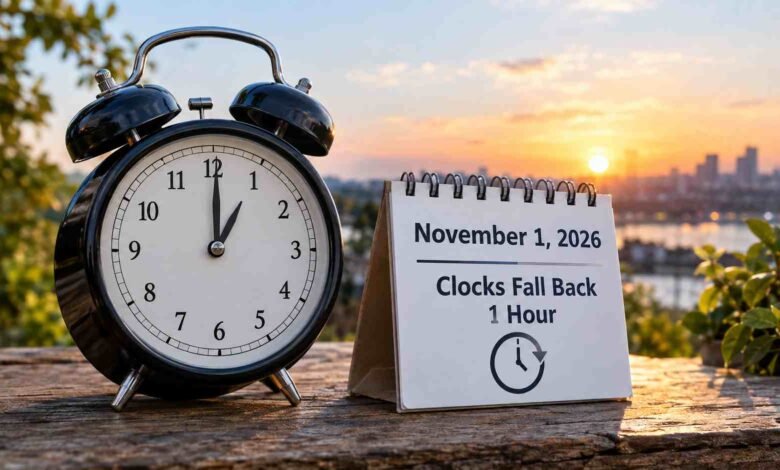
The idea of permanent daylight savings time has moved from a popular wish to serious legislation in 2026, with the U.S. House passing the Sunshine Protection Act to end twice-yearly clock changes. However, the Senate has not yet voted, meaning most Americans will still “fall back” on November 1, 2026, unless Congress acts before then.kmbc+3
This article explains what permanent daylight savings time actually means, the current legislative status, health and safety implications, which states are ready to opt in, and what you need to know about the 2026 time change.
What Is Permanent Daylight Savings Time?
Permanent daylight savings time would lock the United States onto the spring–summer clock schedule year-round, eliminating the semiannual ritual of setting clocks forward in March and back in November.
Importantly, this does not create more daylight. It shifts an hour of daylight from the morning to the evening, so the sun rises later and sets later throughout the year. In winter, this means darker mornings but more evening light after work or school.
The current system, in place since 2007, has daylight saving time start on the second Sunday in March and end on the first Sunday in November.usatoday
Latest 2026 Legislative Status: Sunshine Protection Act
House Passage and Senate Stalemate
The Sunshine Protection Act (H.R. 139) passed the House on July 14, 2026, by a bipartisan vote of 308–117. The bill would allow states to adopt permanent daylight savings time nationwide, with an option for states to opt out and remain on standard time.usatoday
However, as of mid-September 2026, the Senate has not scheduled a vote. The bill is currently with the Senate Committee on Commerce, Science, and Transportation, where it appears stalled.usatoday
Will Clocks Change This November?
Yes, for now. Daylight saving time is scheduled to end at 2 a.m. local time on Sunday, November 1, 2026, when clocks will fall back one hour to standard time. Unless the Senate passes the bill and President Donald Trump signs it before then, the current law remains in effect.usatoday+1
Supporters argue that permanent daylight savings time would eliminate the disruption of biannual clock changes, while opponents worry about darker winter mornings.
Why the Delay?
Several factors are slowing Senate action:
-
The Senate requires 60 votes to pass most legislation, and support is divided.
-
Competing priorities, including crypto-related cloture votes, have crowded the floor calendar.
-
Some lawmakers and health experts advocate for permanent standard time instead of permanent daylight savings time, creating policy disagreement.
States Ready for Permanent Daylight Savings Time
Nineteen states have already passed legislation to adopt permanent daylight savings time if federal law allows it. These states include:
-
2025: Texas
-
2024: Oklahoma
-
2022: Colorado
-
2021: Alabama, Georgia, Minnesota, Mississippi, Montana
-
2020: Idaho (Pacific time zone only), Louisiana, South Carolina, Utah, Wyoming
-
2019: Delaware, Maine, Oregon (Pacific time zone only), Tennessee, Washington
-
2018: Florida
Arizona and Hawaii already remain on standard time year-round and do not observe daylight saving time.
Health and Sleep Impacts of Permanent Daylight Savings Time
What Sleep Experts Say
The American Academy of Sleep Medicine (AASM) recommends permanent standard time, not permanent daylight savings time, as the better biological fit for human circadian rhythms.
Sleep scientists warn that permanent daylight savings time would create ongoing circadian misalignment, especially for people who must wake early or live on the western edge of a time zone. Darker winter mornings could make it harder to wake up, potentially affecting sleep quality, mood, and productivity.
Potential Health Concerns
Research and expert opinion highlight several concerns with permanent daylight savings time:
-
Sleep disruption: Later sunrises in winter may conflict with natural wake times, especially for school children and early workers.
-
Circadian mismatch: The body’s internal clock is more aligned with morning light, which permanent daylight savings time reduces in winter months.
-
Seasonal effects: In northern latitudes, winter sunrises under permanent daylight savings time could occur as late as 8:30 or 9 a.m., extending darkness during morning commutes and school starts.
The AASM notes that while ending clock changes would remove short-term disruption from spring and fall transitions, permanent daylight savings time would introduce chronic misalignment compared to permanent standard time.
Pros and Cons of Permanent Daylight Savings Time
Potential Benefits
-
More evening daylight: Longer afternoons and evenings could boost outdoor activities, retail, and recreation.
-
No clock changes: Eliminates the twice-yearly disruption, which some studies link to short-term increases in accidents and health events.
-
Energy considerations: Some argue extended evening light could reduce lighting and heating needs, though evidence is mixed.
Potential Drawbacks
-
Darker mornings: Winter sunrises would be significantly later, raising safety concerns for commuters and school children.
-
Sleep and health risks: Misalignment with circadian rhythms could affect sleep quality, mental health, and productivity.
-
Geographic inequity: Western regions within time zones would experience the most extreme morning darkness, while eastern regions benefit more from evening light.
Many Americans support permanent daylight savings time for the extra evening light, but the health trade-offs remain a key concern.
Standard Time vs. Daylight Saving Time: Which Is Better?
The debate often centers on whether permanent standard time or permanent daylight savings time is preferable.
Sleep specialists generally favor permanent standard time because it aligns better with natural light exposure patterns and supports healthier sleep-wake cycles. However, public opinion polls show stronger support for permanent daylight savings time among voters.
When Does Daylight Saving Time End in 2026?
Unless Congress passes and the President signs new legislation, daylight saving time will end on:
-
Date: Sunday, November 1, 2026
-
Time: 2 a.m. local time (clocks fall back to 1 a.m.)usatoday+1
After this, standard time will remain in effect until daylight saving time resumes on the second Sunday in March 2027 (March 14, 2027).rgj
For those hoping permanent daylight savings time takes effect before November, the window is closing quickly.
What Would Permanent Daylight Savings Time Mean for Your Daily Life?
If permanent daylight savings time becomes law, here’s what to expect:
-
No more clock changes: You would not need to adjust clocks twice a year.usatoday
-
Later sunsets year-round: Evening activities would have more daylight, especially in winter.
-
Later sunrises in winter: Morning commutes and school starts would occur in darker conditions, particularly in northern and western regions.
-
State opt-outs allowed: States could choose to remain on standard time if they prefer, similar to Arizona and Hawaii.usatoday
The shift to permanent daylight savings time would affect daily routines, sleep patterns, and safety considerations across the country.
Common Misconceptions About Permanent Daylight Savings Time
-
“permanent daylight savings time creates more daylight.” False. It only shifts when daylight occurs, moving an hour from morning to evening.
-
“The bill has passed.” Not yet. The House passed it, but Senate approval and presidential signature are still required.usatoday
-
“All states must adopt it.” No. States can opt out and stay on standard time if federal law allows.usatoday
Many people confuse permanent daylight savings time with permanent standard time, but they have opposite effects on morning and evening light.
FAQ
Will clocks change in November 2026?
Yes. Unless Congress acts before then, daylight saving time ends at 2 a.m. on Sunday, November 1, 2026, and clocks will fall back one hour.usatoday+1
What is the Sunshine Protection Act?
The Sunshine Protection Act is federal legislation that would allow states to adopt permanent daylight savings time, ending the twice-yearly clock changes. It passed the House in July 2026 but awaits Senate action.usatoday
Do sleep experts support permanent daylight savings time?
No. The American Academy of Sleep Medicine recommends permanent standard time instead, citing better alignment with human circadian rhythms and sleep health.
Which states want permanent daylight savings time?
Nineteen states, including Florida, Texas, Colorado, and Tennessee, have passed legislation to adopt permanent daylight savings time if federal law permits.
Can states opt out of permanent daylight savings time?
Yes. The Sunshine Protection Act allows states to choose to remain on standard time year-round, similar to how Arizona and Hawaii currently operate.usatoday
When would permanent daylight savings time take effect if passed?
The bill does not specify an immediate nationwide start date. States would adopt it according to their own legislation once federal law is enacted.