
Nidal Hasan: 7 Disturbing Facts and Timeline
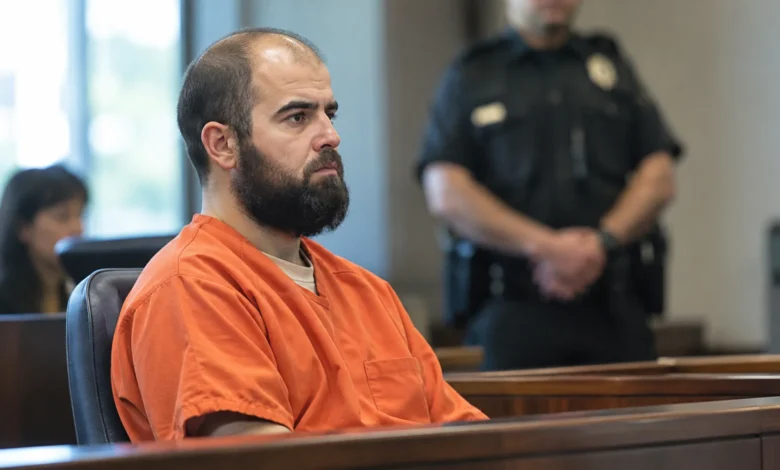
Nidal Hasan is the former U.S. Army major and psychiatrist convicted of killing 13 people and attempting to murder 32 others during the November 5, 2009, Fort Hood shooting in Texas. His case remained active for years through the military appeals system and the U.S. Supreme Court. As of October 6, 2026, President Donald Trump has approved his execution by firing squad, but the Army has not announced an execution date.
In simple terms: Nidal Hasan was an Army psychiatrist whose career ended after the 2009 Fort Hood attack. He was convicted at a court-martial in 2013 and sentenced to death. After years of appeals, the Supreme Court denied his petition in 2025, and the president approved his execution in 2026.
Key Takeaways
- Nidal Hasan served as a U.S. Army psychiatrist and held the rank of major.
- The Fort Hood attack happened on November 5, 2009.
- He was convicted of 13 counts of premeditated murder and 32 counts of attempted premeditated murder.
- A military panel sentenced him to death on August 28, 2013.
- The U.S. Supreme Court denied his petition on March 31, 2025.
- On October 6, 2026, President Donald Trump approved an execution by firing squad.
- The Army is responsible for determining the time and place of the execution, and no date had been announced in the latest reporting reviewed.
Who Was Nidal Hasan?
Nidal Malik Hasan was a U.S. Army physician who trained in psychiatry and worked with military personnel. Before the 2009 shooting, he had served as a medical officer and had worked in the Army medical system, including at Walter Reed Army Medical Center.
His military background is important because the Fort Hood attack took place at a military installation and involved soldiers who were preparing for overseas deployment. The Army later described Hasan as the sole shooter in the incident.
Hasan’s professional history is also one reason his case drew so much attention. He had been trained to work with service members, including people dealing with the effects of war, before becoming the subject of a criminal investigation himself.
What Happened at Fort Hood in 2009?
The shooting took place on November 5, 2009, at the Soldier Readiness Processing Center at Fort Hood, Texas.
According to the Army’s historical records, the attack left 13 people dead and resulted in numerous injuries. Hasan was wounded during an exchange of gunfire with a civilian police officer responding to the incident.
The attack led to a major review of security, threat assessment, information sharing, and force-protection policies across the Defense Department. The Pentagon later adopted recommendations intended to improve how the military identifies and responds to internal threats.
One detail that can create confusion today is the installation’s name. Fort Hood briefly became Fort Cavazos during a 2023 renaming process, but the Army officially restored the name Fort Hood in 2025.
7 Important Facts About Nidal Hasan
1. He was an Army psychiatrist
Before the attack, Hasan served in the Army Medical Corps and trained as a psychiatrist. His medical career included work at Walter Reed Army Medical Center before his assignment to Fort Hood.
That background became a major part of the public discussion surrounding the case because he had worked with service members preparing for or returning from war.
2. The attack happened on November 5, 2009
The Fort Hood shooting occurred while soldiers were processing for deployment. The Army’s records identify the Soldier Readiness Processing Center as the location of the attack.
This date remains central to understanding the case because nearly every later legal development traces back to the events of that afternoon.
3. Hasan was convicted in a military court
Hasan did not face an ordinary civilian criminal trial. His case went through the military justice system under the Uniform Code of Military Justice.
In August 2013, a court-martial panel found him guilty of 13 counts of premeditated murder and 32 counts of attempted premeditated murder.
4. He received a death sentence in 2013
On August 28, 2013, the military panel sentenced Hasan to death. The punishment also included dismissal from the Army and forfeiture of his pay and allowances.
The military’s own public record noted that a death sentence triggered an automatic appellate process through the military courts. Hasan was held at the U.S. Disciplinary Barracks at Fort Leavenworth, Kansas, while that process continued.
5. His appeals lasted for years
The case did not end with the 2013 verdict.
The U.S. Court of Appeals for the Armed Forces considered Hasan’s case, and on March 4, 2024, it affirmed the Army Court of Criminal Appeals decision.
Hasan then sought review from the U.S. Supreme Court. The Supreme Court docket shows that his petition, Nidal M. Hasan v. United States, No. 24-5225, was denied on March 31, 2025.
6. His case is still tied to the U.S. military death penalty
Hasan’s sentence is unusual because military capital punishment has historically been rare.
A 2026 Army legal journal article noted that the military had not carried out a death sentence since 1961. The same article discussed Hasan as one of the modern military capital cases affected by the current appellate and authorization process.
This history helps explain why developments in Hasan’s case continue to receive national attention even more than a decade after the shooting.
7. His latest status changed on October 6, 2026
The most important new development is the presidential authorization of his execution.
On October 6, 2026, Reuters reported that President Donald Trump approved the execution of former Army Major Nidal Hasan by firing squad following a recommendation from Defense Secretary Pete Hegseth. The Army will determine the execution’s time and place.
That does not mean Hasan was executed on October 6. It means the presidential approval required for the military execution has been granted. The exact date remains a separate step.
Nidal Hasan Case Timeline
| Date | What happened |
|---|---|
| 1988 onward | Hasan entered Army service and later pursued medical education. |
| Before 2009 | He trained and worked as an Army psychiatrist. |
| July 2009 | He was assigned to Fort Hood. |
| November 5, 2009 | The Fort Hood shooting occurred. |
| 2013 | A military court convicted Hasan of 13 murders and 32 attempted murders. |
| August 28, 2013 | He was sentenced to death. |
| March 4, 2024 | The U.S. Court of Appeals for the Armed Forces affirmed the lower military appellate decision. |
| March 31, 2025 | The U.S. Supreme Court denied Hasan’s petition. |
| October 6, 2026 | President Trump approved execution by firing squad. |
| Latest status | No execution date had been announced in the sources reviewed. |
Why Was Nidal Hasan Sentenced to Death?
The death sentence came directly from his military conviction for the Fort Hood killings and attempted killings.
During the court-martial, Hasan represented himself for significant portions of the proceedings and acknowledged that he was responsible for the shooting. The case was then resolved through the military capital-punishment process. The Army’s sentencing record confirms both the guilty verdict and the death sentence.
It is useful to separate the facts established by the court from later arguments about motivation. Different official and academic sources have described Hasan’s beliefs and possible influences in different ways. A careful article should not turn disputed motive questions into established facts.
What Is Nidal Hasan’s Current Status?
As of October 6, 2026, Hasan remains under a military death sentence.
The Supreme Court denied his petition in 2025, and the president has now approved his execution. Reuters reported that the Army will determine the timing and location of the execution.
So the simplest current-status answer is:
Nidal Hasan has not been executed as of October 6, 2026. He remains in military custody under a death sentence, and the president has authorized an execution by firing squad.
Nidal M. Hasan v. United States docket
U.S. Army report on Hasan’s death sentence
A Common Misunderstanding About the Case
One frequent mistake is to treat every description of Hasan’s motive or classification as a court-established fact.
The strongest facts are the ones documented in the military conviction and court records: Hasan was convicted of 13 premeditated murders and 32 attempted premeditated murders, received a death sentence, pursued appeals, and had his Supreme Court petition denied in 2025.
Claims about ideology, radicalization, or the precise reasons behind his actions need more careful wording because those subjects involve investigative findings, testimony, and interpretation rather than just the final criminal judgment.
What Happens Next?
There are three practical things to watch in Hasan’s case:
- The Army’s execution decision: The Army must establish the time and place for the execution after presidential approval.
- Any new court action: Although the Supreme Court denied the 2025 petition, further legal filings can affect timing in capital cases. Current reporting notes that additional federal-court proceedings can delay the process.
- Official military announcements: Because this is a military capital case, official Army and court records are more useful than social-media claims about an execution date.
FAQs About Nidal Hasan
Who is Nidal Hasan?
Nidal Hasan is a former U.S. Army major and psychiatrist who was convicted for the 2009 Fort Hood shooting.
What did Nidal Hasan do?
He was convicted of 13 counts of premeditated murder and 32 counts of attempted premeditated murder connected to the Fort Hood attack.
When did Nidal Hasan attack Fort Hood?
The shooting happened on November 5, 2009, at Fort Hood, Texas.
Was Nidal Hasan sentenced to death?
Yes. A military court sentenced him to death on August 28, 2013.
Is Nidal Hasan still alive?
Yes. As of October 6, 2026, he had not been executed and remained under a military death sentence.
Did the Supreme Court hear Nidal Hasan’s case?
The Supreme Court considered his petition for review but denied it on March 31, 2025.
Will Nidal Hasan be executed by firing squad?
President Donald Trump approved an execution by firing squad on October 6, 2026. The Army still has to determine the time and place, so the approval should not be confused with a completed execution.
Where is Nidal Hasan held?
He has been held at the U.S. Disciplinary Barracks at Fort Leavenworth, Kansas, under his military death sentence.
Conclusion
Nidal Hasan’s case spans more than 15 years, beginning with the 2009 Fort Hood shooting and continuing through a military trial, a death sentence, years of appeals, and the Supreme Court’s 2025 refusal to review his petition. The latest development came on October 6, 2026, when President Trump approved an execution by firing squad.
For readers trying to understand the case, the three most useful next steps are to:
- Review the 2013 military conviction and sentencing record.
- Check the Supreme Court docket for the final 2025 appellate stage.
- Verify any claimed execution date through an official Army announcement rather than social media or recycled articles.