How Did Michael Jackson Die? 5 Facts on His Tragic Death
The Medical Timeline, Propofol Overdose, and Dr. Conrad Murray's Trial
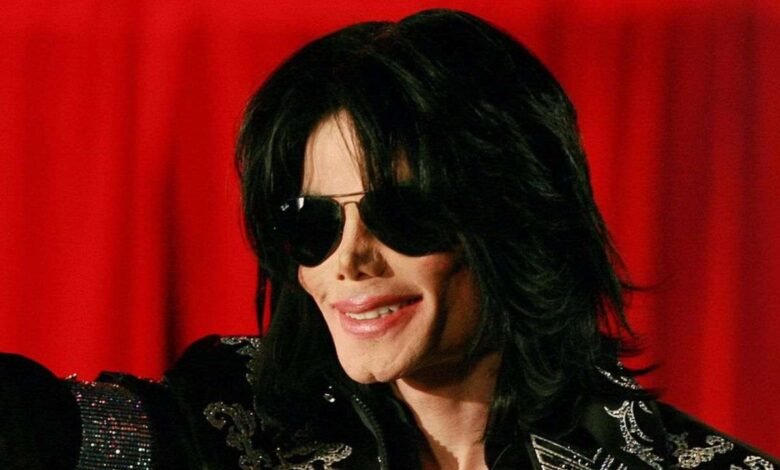
On June 25, 2009, the world stopped when news broke that the King of Pop had passed away. If you are wondering exactly how did Michael Jackson die, the answer lies in a fatal mix of prescription medications. The legendary singer suffered sudden cardiac arrest at his rented mansion in the Holmby Hills neighborhood of Los Angeles.
Michael Jackson died from acute propofol and benzodiazepine intoxication. His personal physician administered a lethal dose of the surgical anesthetic propofol to help him sleep. This combination of powerful prescription drugs caused his breathing to stop, leading to fatal cardiac arrest.
Key Takeaways
-
Michael Jackson passed away on June 25, 2009, at the age of 50.
-
The official cause of death was acute propofol and benzodiazepine intoxication.
-
He was preparing for his “This Is It” comeback tour in London at the time.
-
His personal physician, Dr. Conrad Murray, administered the fatal dose.
-
A jury found Dr. Murray guilty of involuntary manslaughter in 2011.
The Official Cause: How Did Michael Jackson Die?
Following his passing, the Los Angeles County Coroner conducted a detailed autopsy. The medical examiner officially ruled the death a homicide. This ruling meant his death resulted from the actions of another person.
The toxicology report revealed high levels of several drugs in his system. He had been struggling with severe insomnia while rehearsing for his upcoming 50-show residency in London. To help him rest, his doctor gave him a cocktail of sedatives.
The Role of Propofol and Benzodiazepines
The most significant factor in his passing was propofol. This is an intravenous anesthetic used in hospitals to put patients to sleep before surgery. According to FDA guidelines for surgical anesthetics, this medication requires constant heart and breathing monitoring by trained professionals in a clinical setting.
In Jackson’s case, the drug was administered in a private bedroom. Alongside the propofol, the toxicology report noted the presence of benzodiazepines. These are anti-anxiety medications like lorazepam and midazolam. Mixing these sedatives with an anesthetic created a fatal reaction that stopped his respiratory system.
Timeline of the Final 24 Hours
To understand the circumstances, it helps to look at the timeline of his final night. The events paint a picture of severe sleep deprivation and frantic medical decisions.
| Time | Event |
| June 24, 10:30 PM | Jackson leaves the Staples Center after a successful rehearsal. |
| June 25, 1:30 AM | Dr. Murray begins giving him mild sedatives to help him sleep. |
| 2:00 AM to 7:30 AM | Jackson remains awake. The doctor administers more anti-anxiety drugs. |
| 10:40 AM | Dr. Murray administers 25 milligrams of propofol via an IV drip. |
| 11:51 AM | Dr. Murray notices Jackson is not breathing and begins CPR. |
| 12:21 PM | Paramedics arrive and take over life-saving efforts. |
| 2:26 PM | Michael Jackson is pronounced dead at Ronald Reagan UCLA Medical Center. |
The Investigation and Dr. Conrad Murray’s Trial
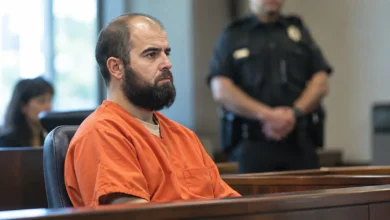
Because the coroner ruled the death a homicide, the Los Angeles Police Department launched a massive investigation. Attention quickly turned to Dr. Conrad Murray. He was a cardiologist hired to care for the singer during the upcoming tour.
Involuntary Manslaughter Conviction
Investigators discovered that Dr. Murray ordered large quantities of propofol to Jackson’s home. The trial became one of the most watched legal events of the decade.
Here is how the legal process unfolded:
-
The Charge: Prosecutors charged Dr. Murray with involuntary manslaughter. They argued he acted with gross negligence.
-
The Defense: Murray’s legal team claimed Jackson gave himself the fatal dose while the doctor was out of the room.
-
The Verdict: In November 2011, a jury found Dr. Murray guilty. They determined his medical care fell far below legal and ethical standards.
-
The Sentence: The judge sentenced him to four years in a California county jail. He served two years before being released for good behavior.
Common Misunderstandings About His Passing
A common mistake people make is assuming Michael Jackson died from illegal street drugs. The reality is quite different. Every substance found in his system was a legal, FDA-approved prescription medication. The tragedy occurred because hospital-grade anesthetics were used improperly in a residential setting without the right monitoring equipment.
Conclusion
The passing of Michael Jackson remains one of the most shocking moments in pop culture history. When looking back at exactly how did Michael Jackson die, the tragedy comes down to a lethal combination of propofol and sedatives administered by his doctor. While his music continues to inspire millions, the story of his final hours serves as a dark warning about the dangers of prescription drug misuse.
Next Steps to Explore:
-
Watch the “This Is It” documentary to see his final rehearsals.
-
Read up on how the music industry handles the physical demands of global tours today.
-
Review the public court records from the Conrad Murray trial to understand the legal arguments.
FAQs About How Did Michael Jackson Die
Who was Michael Jackson’s doctor when he died?
Dr. Conrad Murray, a cardiologist, was acting as his personal physician at the time of his passing.
How old was Michael Jackson when he passed away?
He was 50 years old.
What is propofol?
Propofol is a powerful intravenous anesthetic used by medical professionals to induce and maintain sleep during surgeries.
Did Dr. Conrad Murray go to jail?
Yes. A judge sentenced him to four years in jail for involuntary manslaughter. He served two years.
Where did Michael Jackson die?
He went into cardiac arrest at a rented mansion in the Holmby Hills neighborhood of Los Angeles, California. He was pronounced dead at the UCLA Medical Center.
What was the “This Is It” tour?
It was a planned residency of 50 concerts at the O2 Arena in London. The singer was actively rehearsing for these shows in Los Angeles just hours before his death.