
All Purpose Flour UK: What Is the Exact British Equivalent?
How to Make the Perfect All Purpose Flour UK Substitute
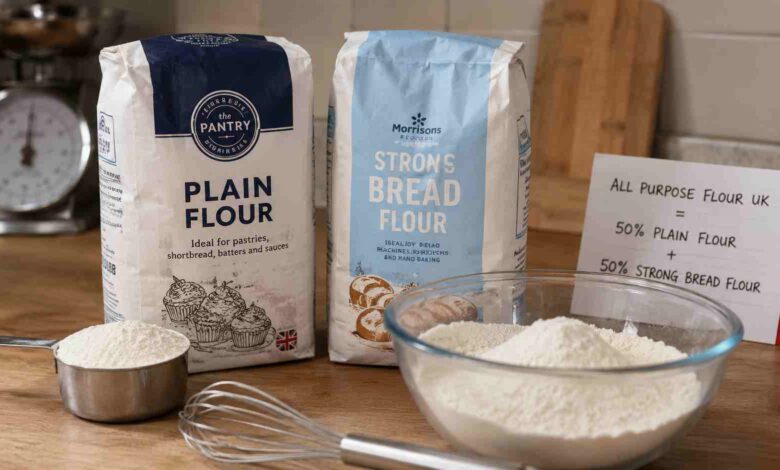
If you are reading an American recipe, the all purpose flour UK equivalent is simply plain flour. You can use standard British plain flour as a direct substitute in almost any recipe calling for this ingredient, from cookies to thick sauces.
However, because American flour contains slightly more protein than British plain flour, you can mix 50% British plain flour with 50% strong white bread flour to achieve the exact same chewy texture. Finding the right all purpose flour UK substitute ensures your American recipes turn out flawlessly every single time.
-
The Direct Swap: When looking for an all purpose flour UK option, use standard plain flour for a quick 1:1 replacement in cakes, cookies, and pie crusts.
-
The Protein Gap: US flour has around 10.5% to 11.5% protein, while UK plain flour sits slightly lower at 8.5% to 10%.
-
Exact Replication: Mix equal parts plain flour and strong bread flour to perfectly mimic the protein levels of genuine all purpose flour UK bakers need.
-
Avoid Self-Raising: Never swap an all purpose flour UK alternative for self-raising flour unless the recipe specifically asks for added baking powder.
-
Use Kitchen Scales: Always weigh your flour in grams rather than relying on American measuring cups.
Understanding the Protein Difference
When you pull up a recipe from a US food blog, the author assumes you have a specific type of wheat sitting in your pantry. To understand the best all purpose flour UK equivalent, we must look at the wheat itself. American all-purpose flour is milled from a strategic blend of hard and soft wheat. This creates a moderate protein content that works exceptionally well for flaky pie dough and chewy chocolate chip cookies.
British plain flour, on the other hand, relies mostly on soft wheat. This makes it fantastic for tender Victorian sponges, but it can leave American-style cookies spreading a little too flat. Protein creates gluten, and gluten gives baked goods their structural chew, which is why matching the all purpose flour UK protein percentage matters so much.
| Flour Type | Country of Origin | Average Protein Content | Best Used For |
| All-Purpose Flour | United States | 10.5% – 11.5% | Cookies, quick breads, pizza dough |
| Plain Flour | United Kingdom | 8.5% – 10.0% | Sponges, biscuits, pastries, sauces |
| Strong Bread Flour | United Kingdom | 12.0% – 14.0% | Yeast breads, sourdough, bagels |
The Science of Wheat: Hard vs Soft
To understand why this difference exists, we have to look at the weather. The massive agricultural plains in the United States grow hard red winter wheat. This crop thrives in cold, harsh climates and naturally packs a high protein punch.
In contrast, the damp, mild climate of the United Kingdom is perfectly suited for growing soft wheat. While perfect for our traditional delicate pastries, it simply lacks the heavy-duty gluten formation required for dense brownies, which is why finding an exact all purpose flour UK match requires a bit of blending.
How to Make a True All Purpose Flour UK Blend at Home
If you want your American recipes to turn out exactly as the author intended, you need to bump up the protein content. You can create the ultimate all purpose flour UK mix easily with standard ingredients from any local supermarket.
-
Gather your flours: Buy one bag of standard plain white flour and one bag of strong white bread flour.
-
Measure by weight: Place a mixing bowl on your digital kitchen scales. Measuring by weight is far more accurate than using volume.
-
Mix the ratio: Add equal parts of both flours to replicate an all purpose flour UK standard. For example, if a recipe needs 200g, use 100g of plain flour and 100g of strong bread flour.
-
Whisk thoroughly: Stir the dry mixture vigorously with a balloon whisk to ensure the proteins distribute evenly.
-
Store for later: Make a large batch and keep it in an airtight container for your next baking session.
If you bake US recipes constantly, keeping an eye out for specialty flours can save you from mixing your own. You can read more about how wheat classifications and food labelling are regulated directly via the Food Standards Agency.
The Biggest Mistake When Swapping Flour
Many beginners see the term “all-purpose” and assume it means the flour does everything automatically. This leads them to grab a bag of British self-raising flour instead of a proper all purpose flour UK substitute.
This is a fast way to completely ruin a recipe. Self-raising flour in the UK already contains a heavy dose of baking powder. If you use it in an American recipe that also asks you to add extra baking powder, your cake will over-expand in the oven. The chemical bubbles will grow too fast, pop, and cause the centre of your cake to collapse entirely. Always stick to plain flour.
Baking American Recipes in the UK: 3 Pro-Tips
Adapting recipes across the pond requires a little more than just sorting out the exact all purpose flour UK equivalent. Keep these three practical tips in mind.
-
Ditch the measuring cups: American recipes rely heavily on volume. One cup of flour can vary drastically in weight. Always search for recipes that offer metric gram measurements for consistent results.
-
Watch your liquids: Because British plain flour has less protein, it absorbs slightly less liquid than US flour. You might need to hold back a tablespoon of milk or water to stop your dough from becoming too sticky.
-
Check the yeast type: American bread recipes often call for “Active Dry Yeast,” which requires blooming in warm water before use, a standard practice advised by baking authorities like King Arthur Baking. In the UK, we typically use “Fast Action” yeast, which mixes straight into the dry flour.
Wrapping Up and Next Steps
Finding the exact equivalent for American flour does not have to be a headache. You can easily get by using standard British plain flour for the vast majority of your baking. When a recipe demands a chewier, more structural finish, mixing in a little bread flour solves the problem entirely.
Ready to get baking? Here are your next steps:
-
Buy a reliable digital kitchen scale to measure your flour accurately in grams.
-
Mix your own all purpose flour UK blend with a 50/50 ratio of plain and strong bread flour.
-
Review your American recipe to check if it requires any hydration adjustments before you start mixing.
FAQs
Is plain flour the same as all-purpose flour?
Yes, plain flour is the closest all purpose flour UK equivalent. You can safely use it as a direct 1:1 substitute in almost every recipe, though your results might be slightly softer.
Can I use strong bread flour instead of all-purpose flour?
You should never use strong bread flour entirely on its own as a substitute. It contains too much protein and will make delicate cakes, muffins, and cookies tough and overly dense.
What is the difference between UK and US self-raising flour?
British self-raising flour contains only plain flour and baking powder. American self-rising flour contains flour, baking powder, and an added pinch of salt.
Why do my cookies spread so much using plain flour?
British plain flour has a lower protein content, which means it develops less gluten structure. Mixing in a small handful of strong bread flour helps the cookies hold their shape in the hot oven.